How Can Tradespeople Benefit From Mobile Payment Solutions?
Tradespeople can benefit from mobile payment solutions because they make it easier to accept payments wherever work is being done.
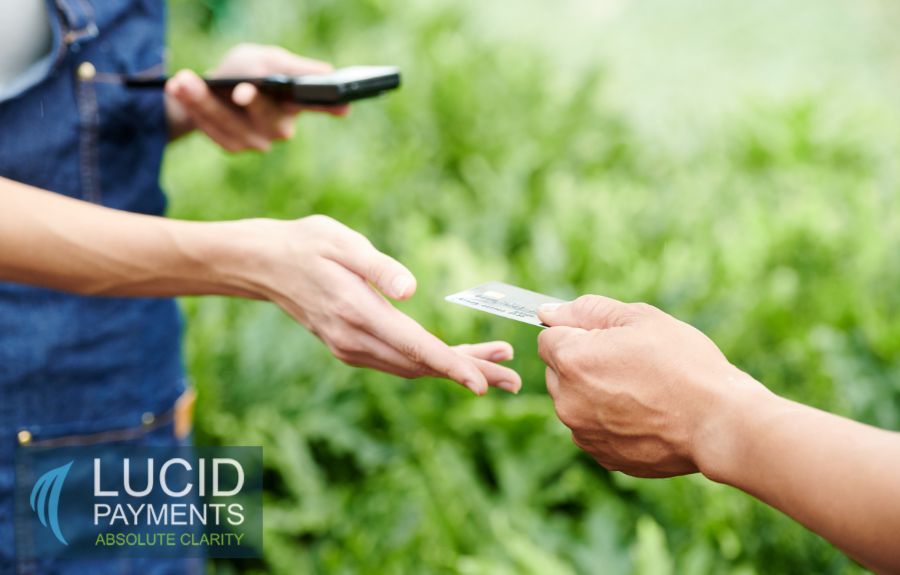
Instead of asking customers to call in their credit card number or wait for an invoice, a mobile payment terminal allows them to pay on-site when the job is complete.
This can create a more convenient payment experience for customers, help tradespeople get paid faster, reduce the need to follow up, and support a more professional payment process.
Key Takeaways:
- Getting paid at the job site can help improve cash flow and reduce follow-up.
- Customers may find in-person payments more convenient than calling in their card number.
- Mobile payment terminals allow tradespeople to accept debit and credit card payments on-site.
- Mobile and virtual payment terminals can give trades businesses more flexible ways to accept payments.
- Card-present transactions typically cost less than card-not-present transactions, which makes mobile payments much more affordable.
For many tradespeople, the job doesn’t end when the work is finished.
A plumber can complete an emergency repair at a customer’s home, a contractor can wrap up a renovation, and a roofer can finish an inspection or collect a deposit before work begins.
In each case, the customer is ready to pay, but the payment process can still create friction.
Maybe the customer has to call an office with their credit card number. Maybe they have to wait for an invoice. Maybe someone has to follow up later. Or maybe the business has to manually enter the payment details after the fact.
These extra steps may not seem like big issues, but over time, they can create consequences.
For one thing, they affect the experience you provide for your customers, and they can also affect things like processing costs, when you get paid, and how difficult it is to collect what you’re owed.
And this is where mobile payment solutions for tradespeople can make a real difference.
For tradespeople who work in the field, mobile payment terminals and virtual payment terminals can help make payment easier, faster, and more professional.
What’s more, they offer added flexibility in terms of how they accept payments, while giving customers a more convenient way of paying when the work is complete.
Why Payment Flexibility Matters for Tradespeople
Tradespeople don’t usually work from one fixed checkout counter.
People like plumbers, electricians, contractors, roofers, and painters often accept payments in homes, at commercial properties, on job sites, in vehicles, or even through an office after the work is done.
And ideally, their payment setup needs to match the way their business actually operates.
If your team is completing work at different locations, collecting deposits, taking progress payments, or accepting payment after a service call is complete, you need a payment process that can move with your business.
Because when payment options are limited, the process can become much more complicated than it needs to be.
Customers may have to call in their card information, wait for an invoice, send an e-transfer, or remember to pay later.
And that can create delays for business owners and inconveniences for customers.
But the right mobile payment setup helps close that gap.
What Are Mobile Payment Solutions?
Mobile payment solutions allow businesses to accept payments outside of a traditional storefront or office.
This can include the use of things like mobile payment terminals and virtual payment terminals.
A mobile payment terminal is a handheld device that allows customers to pay in person using a debit or credit card.
A virtual payment terminal, on the other hand, is a secure, web-based software application that can turn any internet-connected device (like a computer, tablet, or smartphone) into a mobile payment terminal.
And both of these options are particularly useful for accepting payments on the job site, or at a client’s home, without having to chase people around for payment later.
In any case, the main points to be made here are that tradespeople shouldn’t have to force every customer through the same payment process, and your payment setup should support the way your business works.
How Tradespeople Can Benefit From Mobile Payment Solutions

Payment processing isn’t just about accepting card payments.
For tradespeople, the way you process payments can affect customer experience, cash flow, administration, processing costs, and how professional your business appears.
All things considered, a smoother payment process can help reduce friction at one of the most important points in the customer relationship: the moment when they’re ready to pay.
With that in mind, let’s look at some of the key benefits of mobile payment solutions for tradespeople.
Mobile Terminals Make Payment More Convenient for Customers
Most customers want payment to be simple.
When the work is complete, they may not want to call an office, read out a credit card number over the phone, wait for a payment link, or remember to deal with an invoice later.
More likely, they’ll simply want to pay and move on with their day, and a mobile payment terminal allows them to do that.
Instead of adding extra steps, the tradesperson can accept payment on-site, and the customer can use their card in a way that feels familiar, whether that means tapping, inserting, or swiping.
This can be especially useful for service calls, repair work, emergency jobs, maintenance visits, inspections, and smaller projects where the customer expects to pay once the work is finished.
At any rate, the easier you make it for customers to pay, the less friction you’ll have to deal with once the job is done.
In-Person Payments Feel More Secure Than Calling In a Card Number
Many customers are cautious about sharing credit card information over the phone.
They might not know who’s taking the information, where it’s being written down, how it’s being entered, or whether the details are being handled securely.
Even if your business has proper procedures in place, the customer may still feel uncomfortable.
But a mobile or virtual terminal that allows customers to pay in person can help reduce that concern.
When customers pay directly through a terminal, they keep control of their card. They’re not reading the card number aloud, leaving it on a voicemail, or trusting someone else to enter the details later.
And this can make the payment experience feel much more secure and more professional.
It also helps you avoid awkward payment conversations, because instead of asking the customer to call a number or provide card details after the fact, the payment can happen naturally once the job is complete.
All things considered, for tradespeople who want to build trust, these small moments matter.
A customer may not know much about payment processing, but they do notice when a business makes the process easy, organized, and respectful of their comfort and privacy.
Calling In Payments Can Cost More in Processing Fees
Another important reason to avoid unnecessary call-in payments is that they tend to cost more to process.
When a customer calls in a credit card number, that transaction is considered card-not-present, which means the card is not physically present at the time of payment.
Card-not-present transactions are generally more expensive for business owners because they carry higher fraud and chargeback risks and are therefore associated with higher interchange fees.
And for tradespeople, that difference can matter over time, especially if many customers are calling in their card details after the job is done.
So, if your business regularly has customers call in card numbers after the job, you may be creating a less convenient process for the customer and potentially paying more for each transaction.
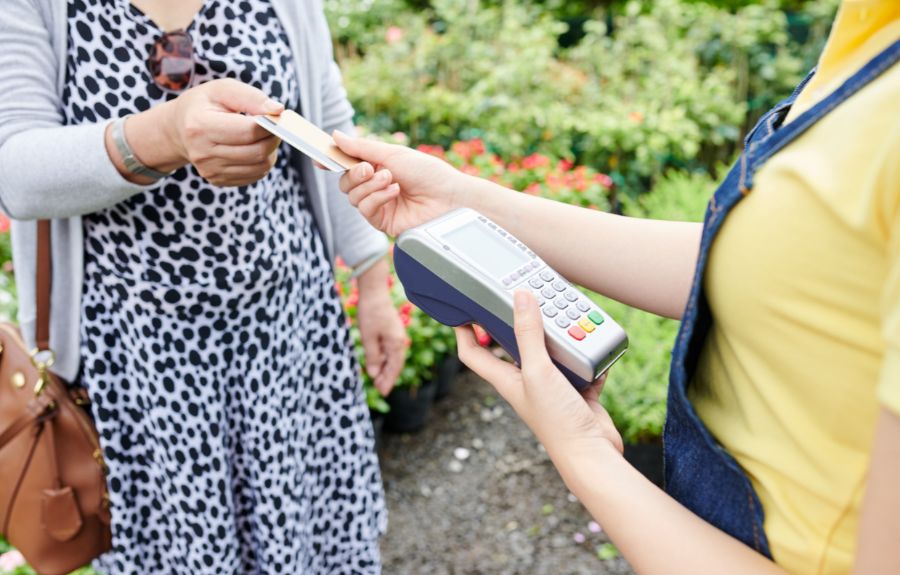
A mobile payment terminal can help turn many of those payments into card-present transactions, where the customer is using the card in person at the time of payment.
Of course, there may still be times when remote payment options make sense, but the point is to understand the difference and choose the right method for the situation, instead of relying on call-in payments as the default.
Getting Paid On-Site Can Improve Cash Flow
Late payments can create unnecessary stress for tradespeople.
If your team completes the work but payment doesn’t come until days or weeks later, that delay can affect your cash flow, and it can also create more follow-up work after the work is done.
In these situations, someone has to send the invoice, track whether it has been paid, follow up with the customer, reconcile the payment, and possibly chase overdue amounts.
But mobile payment terminals can help reduce that delay.
When payment can be collected on-site, you have a much better chance of getting paid when the work is complete.
However, this doesn’t mean every job will be paid for immediately.
Larger projects may still involve deposits, progress payments, holdbacks, or other billing arrangements. But for the types of jobs where immediate payment makes sense, a mobile terminal can make the process much smoother.
Mobile Payments Can Make Your Business Look More Professional
Customers judge your business by more than the work itself.
They also notice how your business communicates, how appointments are handled, how paperwork is managed, and how easy it is to pay.
As a result, having a mobile payment terminal can make your business look more organized and prepared.
And instead of telling the customer they need to call your office, wait for an invoice, or provide payment information later, you can offer a simple payment option on-site.
For established trades businesses, this can support a more professional reputation, and it can also help create consistency when multiple technicians, crews, or team members are collecting payment in the field.
Mobile Terminals Can Reduce Administrative Work
A complicated payment process can create extra work for everyone.
If customers have to call in their credit card number, someone has to answer the call or return the message. If invoices are sent later, someone has to track them. And if payments are entered manually, there is more room for mistakes.
Luckily, mobile payment solutions can help reduce some of that administrative burden.
Because when payments are accepted on-site, typically there will be fewer follow-up calls, fewer unpaid invoices, fewer manual entries, and fewer delays between the completed work and the completed transaction.
Moreover, if crews or technicians can accept payment directly, then you won’t have to spend as much time chasing information, matching payments, or reminding customers to pay.
The right mobile payment setup should make it easier for customers to pay, and easier for you to collect what you’re owed.
If you’re ready to make payments easier for your customers and yourself, contact us today to discuss your options.

